

When Should You Schedule Winter Vehicle Prep for Your Chevrolet?
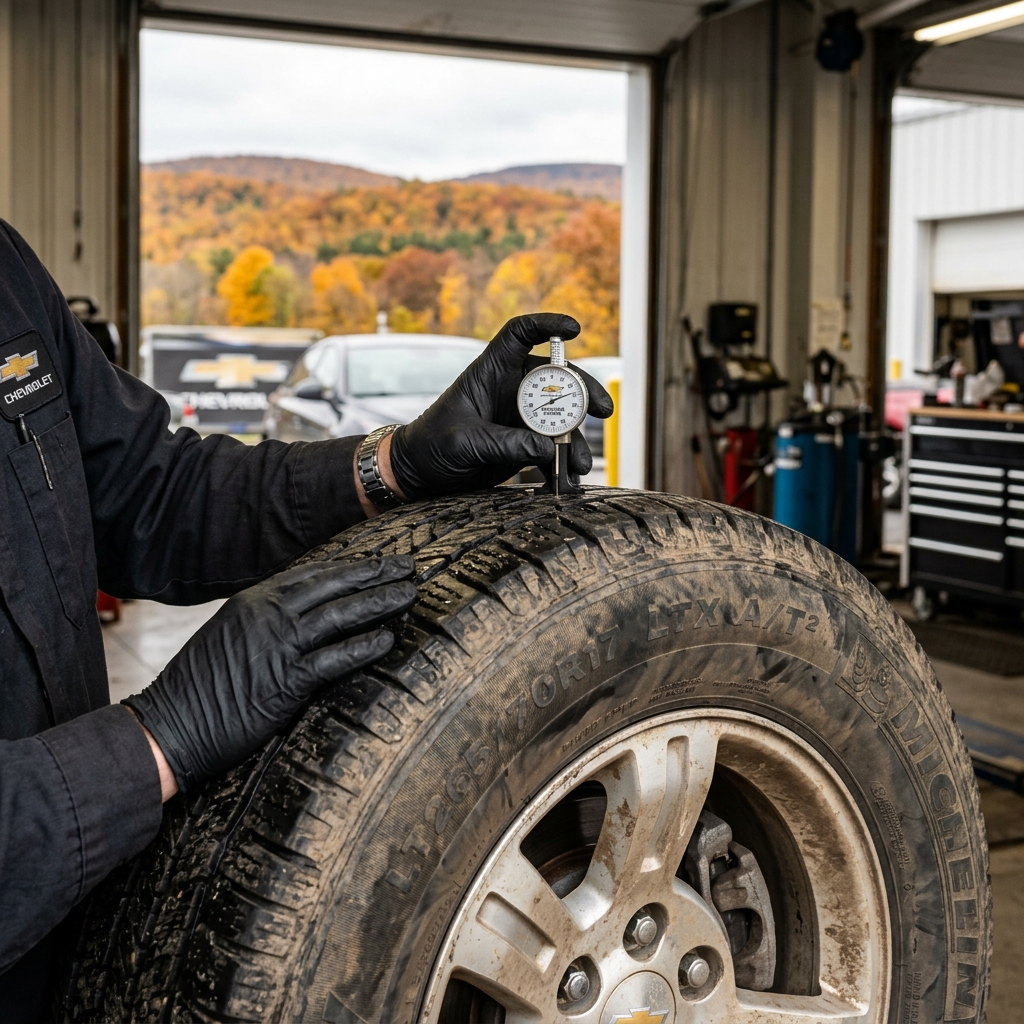
Early autumn, specifically between late September and mid-October before outdoor temperatures consistently fall below 45°F, is the ideal time to schedule winter vehicle prep for your Chevrolet. Completing preventative maintenance before freezing weather arrives ensures your battery, tires, heating systems, and engine fluids are fully inspected before severe winter storms and sub-zero cold starts create unexpected strain or roadside breakdowns.
As seasonal temperatures shift across the valley terrain in Olean, vehicles face harsher operating conditions that test every major mechanical system. Cold weather reduces battery output, thickens engine fluids, and alters tire inflation pressures. Scheduling service ahead of the first hard freeze gives certified technicians time to identify worn components and perform necessary maintenance before local service lanes experience peak winter demand.
Taking an answer-first approach to winter readiness preserves vehicle safety and long-term reliability. To set up your seasonal inspection or learn more about certified care, stop by our dealership service department or give our team a quick phone call at (716) 402-1347 to reserve your time slot.
Table of Contents
- What Essential Winter Prep Maintenance Keeps Your Chevrolet Running in Cold Weather?
- What Does a Chevrolet Multi-Point Inspection Cover Before Snow Season?
- When Should Olean Drivers Switch to Winter Tires?
- Are Dedicated Winter Wheels Cost-Effective for Chevrolet Trucks and SUVs?
- Common Questions About Chevrolet Fall and Winter Maintenance
- Schedule Your Chevrolet Winter Service
What Essential Winter Prep Maintenance Keeps Your Chevrolet Running in Cold Weather?
Essential winter maintenance includes load-testing the 12-volt battery, inspecting brake components, replacing worn wiper blades, and refilling washer fluid with a sub-zero rated formula. These core procedures prevent hard starts, preserve stopping power on icy roads, and maintain windshield visibility throughout severe weather.
Sub-freezing temperatures significantly impair a vehicle's battery capacity, reducing available cranking power right when cold engine oil requires more effort to turn over. AAA identifies dead or disabled batteries as a leading cause of winter roadside assistance calls. A 12-volt battery should be load-tested annually once it reaches three years of age to verify it can generate sufficient cold-cranking amps during freezing mornings.
Engine oil selection plays an equally critical role in winter engine protection. Standard engine oil thickens when exposed to extreme cold, delaying oil circulation to vital engine components during initial startup. Use the GM-specified dexos1 Gen 3 full synthetic (0W-20 on current Chevrolet gas engines) and check your owner's manual for cold-temperature guidance. Rapid oil circulation minimizes friction and mechanical wear on valvetrains and internal bearings.
Seasonal brake checks and visibility maintenance are vital before driving on snow-covered roads:
- Brake System Care: Moisture and road salt accelerate rust accumulation on rotors and calipers, potentially leading to uneven pad wear or pedal pulsation. You can easily schedule brake service to ensure friction materials and hydraulic lines are in top condition.
- Wiper Blades and Washer Fluid: Summer heat degrades rubber wiper edges, causing streaking or skipping across the glass. Installing fresh winter wiper blades combined with fluid rated for sub-zero temperatures prevents slush from freezing on the windshield.
- Genuine OEM Parts Protection: Replacing worn components with original equipment ensures exact fitment and longevity, backed by GM parts warranty coverage for complete peace of mind.
Models equipped with advanced all-wheel-drive systems, such as the Chevrolet Equinox AWD featuring a 1.5L engine paired with a CVT, or the Chevrolet Traverse AWD with its 2.5L engine and 8-speed automatic, also require fluid inspections for transfer cases and rear differentials to ensure seamless power delivery on slippery pavement.
What Does a Chevrolet Multi-Point Inspection Cover Before Snow Season?
A Chevrolet Certified Service multi-point inspection provides a systematic health check of your vehicle's safety and mechanical systems, evaluating tires, brakes, battery condition, fluid levels, belts, hoses, and exterior lighting ahead of severe weather. Certified technicians use a color-coded rating system to identify components operating normally, items requiring attention soon, and urgent maintenance needs.
During the inspection, technicians examine critical underbody components that face continuous exposure to moisture and road salt. The assessment covers:
- Fluid Quality and Freeze Protection: Technicians test engine coolant concentration to verify it provides adequate anti-freeze protection, while checking brake fluid, transmission fluid, and power steering fluid with hydraulic steering for contamination.
- Electrical and Charging Diagnostics: The starter, alternator, and 12-volt battery are tested under load to ensure reliable operation during low-temperature starts.
- Undercarriage and Suspension Integrity: Technicians inspect shocks, struts, ball joints, and tie rods for wear, ensuring predictable handling and vehicle control on rough or snow-rutted roads.
- Tire Condition and Wear Patterns: Tread depth, sidewall condition, and inflation pressures are verified across all four tires, including the spare.
Identifying minor wear early prevents unexpected component failure during severe weather, protecting both passenger safety and long-term vehicle health.
When Should Olean Drivers Switch to Winter Tires?
You should switch to dedicated winter tires when outdoor temperatures consistently average below 45°F, which typically occurs by late October or early November. All-season tire tread compounds lose rubber flexibility below this threshold, causing traction loss on dry, wet, and icy roads even when no snow is present on the pavement.
All-season tire compounds are engineered for moderate temperature ranges. Once temperatures drop below 45°F, the tread compound hardens, reducing the tire's ability to conform to road surface imperfections. Dedicated winter tires utilize specialized hydrophilic rubber compounds and high-density tread sipes that remain soft in freezing conditions, providing superior grip during acceleration, cornering, and braking.
Proper tire maintenance during cold weather relies on three fundamental factors:
- Tread Depth Verification: For safe stopping distances on wet and snow-covered roads, AAA recommends maintaining at least 4/32 inch of tread depth. Inserting a Washington quarter upside down into the tread groove offers a quick check; if the top of Washington's head is completely visible, the tire requires replacement.
- Temperature-Driven Pressure Drops: Tire pressure falls approximately 1 psi for every 10°F drop in ambient temperature. Check tire pressures when the tires are cold and inflate them to the recommended figures listed on the driver's door placard rather than the maximum pressure stamped on the tire sidewall.
- Severe Snow Service Rating: Look for tires branded with the Three-Peak Mountain Snowflake ( 3PMSF) symbol. While standard M+S (Mud and Snow) ratings are based strictly on tread geometry, the 3PMSF symbol signifies that the tire has passed standardized acceleration testing on packed snow.
While available all-wheel drive on crossover models or four-wheel drive on a Chevrolet Silverado 1500 4WD assists with vehicle acceleration, drivetrain technology cannot generate traction where tire rubber fails to grip. Dedicated winter tires remain the single most effective upgrade for reducing stopping distances on snow and ice.
Are Dedicated Winter Wheels Cost-Effective for Chevrolet Trucks and SUVs?
Purchasing a dedicated set of steel or winter-rated aluminum wheels for your seasonal tires is highly cost-effective because it eliminates twice-yearly tire mounting and balancing fees while protecting factory aluminum wheels from corrosive road salt. Over three to four winter seasons, the savings on tire swap labor costs offset the initial wheel purchase price while preserving your primary wheel finish.
Mounting and dismounting tires on a single set of wheels twice each year creates repetitive stress on tire beads and aluminum wheel rims, increasing the risk of rim scratches and slow bead leaks. Having winter tires mounted permanently on dedicated wheels allows for straightforward wheel swaps that can be completed quickly during routine maintenance.
In areas where road salt is used heavily, winter slush accelerates chemical corrosion on intricate factory alloy wheels, causing clear-coat peeling and rim pitting. Dedicated steel wheels or durable finish alloy wheels withstand harsh chemicals far better. Additionally, truck and SUV owners can downsize wheel diameter when building a winter package—pairing a smaller wheel with a taller tire sidewall—which provides enhanced cushion against hidden winter potholes and reduces overall replacement tire costs.
Common Questions About Chevrolet Fall and Winter Maintenance
Q: What is the operational range of the myChevrolet App remote start feature?
The myChevrolet App remote start feature operates from virtually anywhere your smartphone and vehicle have cellular network reception, allowing you to warm up the engine and precondition the cabin from inside your home or workplace. In contrast, standard key fob remote start relies on direct line-of-sight radio signals and operates within a maximum range of approximately 200 feet.
Q: How does severe cold weather impact electric vehicle range?
Sub-freezing temperatures temporarily reduce electric vehicle battery chemical efficiency and require energy to heat the passenger cabin, typically resulting in a 15% to 30% range reduction on the coldest winter days. Preconditioning your vehicle cabin while plugged into a home charger uses grid power rather than battery reserves, helping preserve maximum driving range before setting out.
Q: Can OnStar assist during winter roadside emergencies?
OnStar provides 24/7 emergency response and roadside support, allowing drivers to request towing, fuel delivery, or emergency assistance directly through built-in vehicle hardware. Learning more about OnStar connected services ensures you can quickly connect with advisors during severe weather incidents or unexpected breakdowns.
Q: How does Paul Brown Chevrolet support the local community during winter?
Our dealership regularly sponsors seasonal safety initiatives and local outreach programs across the region. You can discover more about our team's local partnerships and community involvement by visiting our community engagement page.
Q: Why does my tire pressure warning light turn on during cold autumn mornings?
Tire pressure drops approximately 1 psi for every 10°F drop in outdoor temperature, causing cold morning air to trigger the tire pressure monitoring system sensor. Checking and adjusting tire pressure to the manufacturer specification listed on your driver's door placard will clear the warning light and restore proper contact patch friction.
Schedule Your Chevrolet Winter Service
Preparing your truck, crossover, or SUV for sub-zero weather prevents unexpected breakdown delays and ensures optimal vehicle safety throughout the coldest months of the year. Routine oil changes, battery tests, brake service, and winter tire installations protect critical mechanical components from excessive wear and corrosion.
Our Certified Service department provides complete multi-point vehicle inspections, factory-approved fluid refills, battery replacements, and winter tire packages tailored to your vehicle's exact specifications. Our factory-trained technicians use genuine OEM parts to ensure every system performs reliably in severe weather.
Taking care of seasonal maintenance before winter storms arrive gives you confidence on every drive. Stop by our service center in Olean or give our service advisors a quick call at (716) 402-1347 to reserve your pre-winter service appointment today.
© 2026 Paul Brown Chevrolet. All rights reserved.